
Paper: GS-III, Subject: Environment and Ecology, Topic: Pollution, Issue: India’s Air Pollution Crisis
Context:
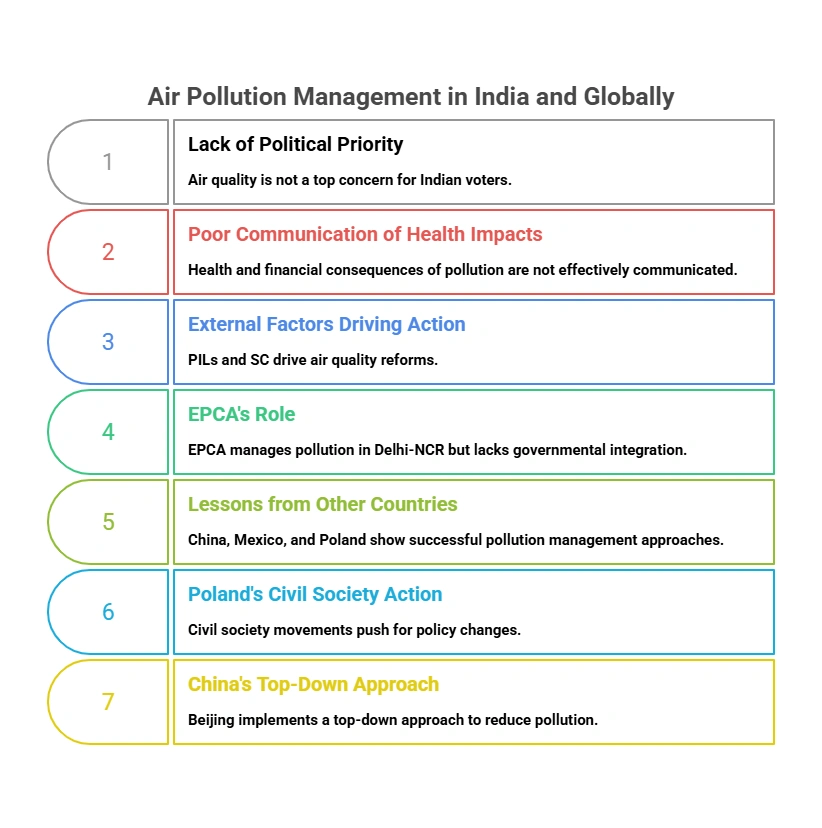
A new report by Sustainable Futures Collaborative (SFC) examines air pollution control in India and compares it with countries such as China, Mexico, Brazil, Germany, Poland, South Korea, and the US.
- The report highlights that India’s regulatory focus and monitoring systems emphasise PM10, even though PM2.5 is far more harmful to human health.
- The findings gain urgency amid worsening winter smog in Delhi–NCR and other Indian cities.
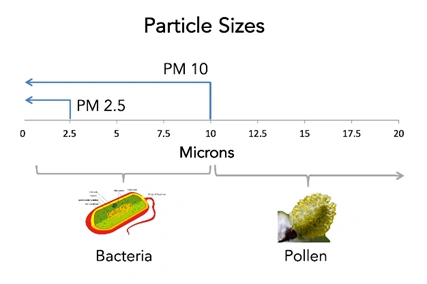
The Overlooked Threat of PM2.5
- PM2.5’s Higher Toxicity: PM2.5, with a diameter smaller than 2.5 micrometers, poses a greater health risk than PM10 because it can be easily absorbed into the body.
- NCAP’s Focus on PM10: India’s National Clean Air Programme (NCAP) primarily focuses on reducing PM10 levels in 131 non-attainment cities, aiming for a 40% reduction by 2026 or meeting the National Ambient Air Quality Standards (NAAQS) for PM10.
- Reason for PM10 Focus: The choice of PM10 as the primary pollutant for NCAP was driven by the fact that many non-attainment cities had existing monitoring practices for PM10 but not PM2.5.
Health Data
- PM2.5 is linked to asthma, lung cancer, heart disease, strokes, and premature deaths.
- According to Lancet studies, air pollution contributes to over 1.6 million deaths annually in India.
Monitoring & Regulation: As of 2024:
- 12,016 sanctioned posts in SPCBs & PCCs
- Only 5,941 posts filled
- CPCB has a sanctioned strength of 504, with many vacancies
- This leads to weak on-ground monitoring and compliance.
Resource Constraints and Regulatory Challenges
- Understaffing and Underfunding: India’s pollution regulators face a resource crunch, with insufficient staffing and funding.
- Industrial Growth vs. Regulatory Capacity: Industrial output has grown significantly since the establishment of pollution control boards,
- Staffing Shortages: As of 2024, many sanctioned posts for State Pollution Control Boards (SPCBs) and Pollution Control Committees (PCCs) remain vacant. The Central Pollution Control Board (CPCB) also operates below its sanctioned staff strength.
- Workload Overload
- Insufficient Monitoring Time
- Outsourcing and Conflicts of Interest
- Limited On-the-Ground Compliance Monitoring
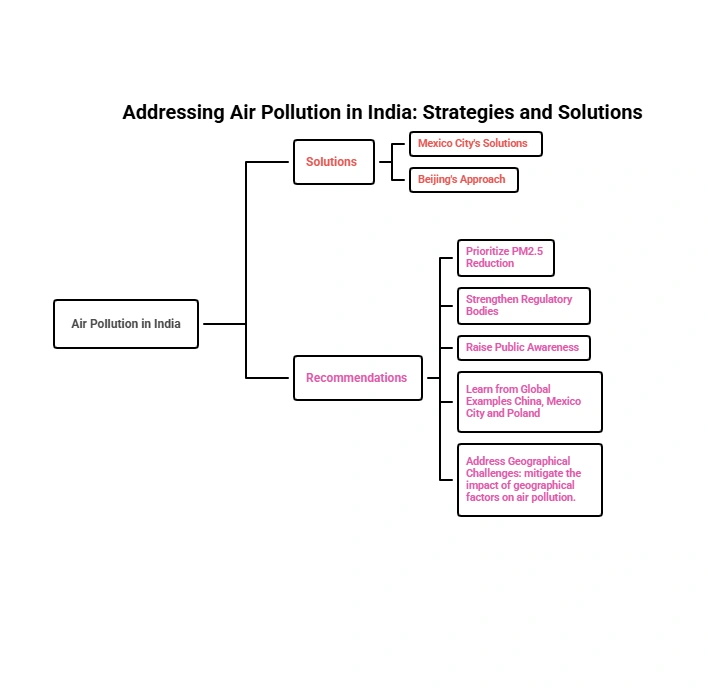
By addressing these issues, India can make significant progress in improving air quality and protecting public health.
https://indianexpress.com/article/explained/delhi-air-pollution-problem-10412892
La Excellence IAS Academy, the best IAS coaching in Hyderabad, known for delivering quality content and conceptual clarity for UPSC 2025 preparation.
FOLLOW US ON:
◉ YouTube : https://www.youtube.com/@CivilsPrepTeam
◉ Facebook: https://www.facebook.com/LaExcellenceIAS
◉ Instagram: https://www.instagram.com/laexcellenceiasacademy/
GET IN TOUCH:
Contact us at info@laex.in, https://laex.in/contact-us/
or Call us @ +91 9052 29 2929, +91 9052 99 2929, +91 9154 24 2140
OUR BRANCHES:
Head Office: H No: 1-10-225A, Beside AEVA Fertility Center, Ashok Nagar Extension, VV Giri Nagar, Ashok Nagar, Hyderabad, 500020
Madhapur: Flat no: 301, survey no 58-60, Guttala begumpet Madhapur metro pillar: 1524, Rangareddy Hyderabad, Telangana 500081
Bangalore: Plot No: 99, 2nd floor, 80 Feet Road, Beside Poorvika Mobiles, Chandra Layout, Attiguppe, Near Vijaya Nagara, Bengaluru, 560040