
Context
The Reserve Bank of India has invited bids for a fresh trial of polymer ₹10 banknotes, reviving an initiative first attempted in 2012–13. Polymer notes are expected to last longer, improve security and reduce recurring currency-printing costs, though import dependence remains a concern.
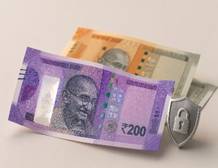
Explanation:
- Polymer banknotes use a durable polypropylene-based substrate instead of cotton-based currency paper.
- They resist water, dirt, folding and tearing, giving them a longer circulation life than paper notes.
- Longer life can lower the RBI’s recurring expenditure on printing, replacement, transport and destruction of soiled notes.
- Transparent windows, holographic features and complex designs improve anti-counterfeiting security.
- Worn polymer notes can be granulated and recycled into useful plastic products.
- Australia first introduced modern polymer banknotes in 1988; several countries subsequently adopted them.
- India’s earlier trial involved proposed circulation in selected cities with different climatic conditions.
- Import dependence for polymer sheets may affect cost, supply security and domestic self-reliance.
La Excellence IAS Academy, the best IAS coaching in Hyderabad, known for delivering quality content and conceptual clarity for UPSC 2026 preparation.
FOLLOW US ON:
◉ YouTube : https://www.youtube.com/@CivilsPrepTeam
◉ Facebook: https://www.facebook.com/LaExcellenceIAS
◉ Instagram: https://www.instagram.com/laexcellenceiasacademy/
GET IN TOUCH:
Contact us at info@laex.in, https://laex.in/contact-us/
or Call us @ +91 9052 29 2929, +91 9052 99 2929, +91 9154 24 2140
OUR BRANCHES:
Head Office: H No: 1-10-225A, Beside AEVA Fertility Center, Ashok Nagar Extension, VV Giri Nagar, Ashok Nagar, Hyderabad, 500020
Madhapur: Flat no: 301, survey no 58-60, Guttala begumpet Madhapur metro pillar: 1524, Rangareddy Hyderabad, Telangana 500081
Bangalore: Plot No: 99, 2nd floor, 80 Feet Road, Beside Poorvika Mobiles, Chandra Layout, Attiguppe, Near Vijaya Nagara, Bengaluru, 560040